
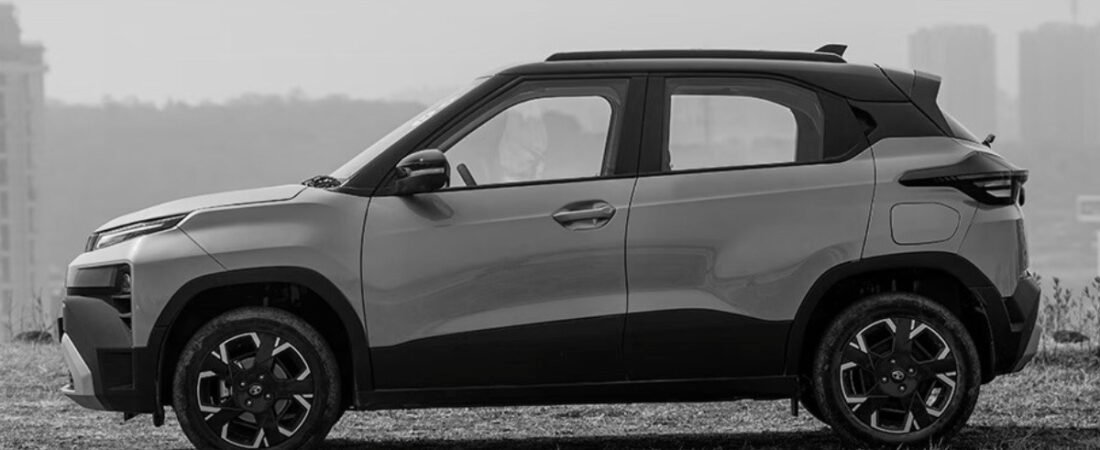
In a country like India, where roads are a canvas of personalities, choices, and aspirations, the colour of your car often becomes an extension of who you are. Among the sea of whites, silvers, and greys, a red car doesn’t just exist—it announces itself. For a young buyer, especially in the 18–22 age bracket, red is not merely a shade; it is a statement. It reflects sportiness, individuality, and a subtle rebellion against the predictable. And when this bold choice is paired with the design philosophy and build quality of Tata Motors, the result is a compelling ownership experience rooted in both emotion and practicality.
Red has always been associated with energy, speed, and passion. Globally, high-performance cars—from racing machines to sports coupes—have often embraced red as their identity. In India, this association translates beautifully into the aspirations of young drivers. A red car instantly feels more alive, more dynamic. Whether it’s navigating the buzzing streets of Delhi or cruising on a highway, the colour adds an undeniable sense of movement even when the car is stationary. For someone stepping into their first car, this psychological boost matters—it turns a simple commute into an experience.
For the 18–22 demographic, a car is rarely just a utility. It is a milestone, often tied to independence, college life, first jobs, or personal achievement. A red car aligns perfectly with this life stage. It resonates with the need to stand out, to be noticed without saying a word. In a parking lot filled with neutral tones, a red Tata Nexon or Tata Altroz naturally draws attention—not in an overwhelming way, but with a confident presence. It subtly communicates that the owner is not afraid to make bold choices.
There is also an element of eccentricity attached to choosing red, especially in the Indian context. Traditionally, car buyers in India have leaned towards “safe” colours—white for resale value, silver for maintenance ease, black for perceived luxury. Choosing red means stepping outside this comfort zone. It reflects a mindset that values self-expression over conformity. For young individuals who are still shaping their identity, this decision becomes symbolic. It is not just about owning a car; it is about defining how one wants to be seen.
From a design perspective, Tata’s modern lineup complements the red colour exceptionally well. The sharp lines, muscular stances, and bold front grilles seen in models like the Nexon or Altroz are accentuated by red. The colour highlights contours and design elements that might otherwise go unnoticed in lighter shades. This synergy between colour and design enhances the overall visual appeal, making the car look sportier and more premium without any mechanical modification.
Beyond aesthetics, there are practical advantages to choosing a red car in India. Visibility is one of them. On crowded roads and in varied driving conditions—from foggy mornings in North India to heavy monsoon showers—a red car stands out better than many neutral colours. This enhanced visibility can contribute to safer driving, especially for younger, less experienced drivers. While colour alone doesn’t guarantee safety, it certainly adds a layer of visual presence that can be beneficial in real-world conditions.
Another interesting aspect is the emotional connect. Red is a colour that evokes feeling. It can uplift mood, create excitement, and even instill a sense of pride in ownership. For young drivers, who often associate their vehicle with personal freedom and exploration, this emotional layer becomes significant. Driving a red car doesn’t feel routine—it feels intentional. Of course, one cannot ignore the Indian mindset around long-term value. While it is true that neutral colours have traditionally enjoyed better resale demand, the narrative is slowly evolving. Today’s buyers are more open to expressive choices, especially in urban markets. A well-maintained red Tata vehicle, backed by the brand’s growing reputation for safety and reliability, can still command respectable resale value. More importantly, for a young buyer, the years of enjoyment and personal satisfaction often outweigh marginal differences in resale pricing.
There is also a cultural nuance to red in India. The colour carries deep-rooted significance—it symbolizes energy, celebration, and new beginnings. From festivals to weddings, red is often associated with auspiciousness and vibrancy. Owning a red car, in a subtle way, taps into this cultural familiarity while presenting it in a modern, urban context. It bridges tradition with contemporary lifestyle choices.
However, choosing red is not for everyone—and that is precisely its charm. It demands a certain confidence, a willingness to be seen, and an appreciation for standing apart. For someone in their late teens or early twenties, these qualities often come naturally. This is a phase of life where experimentation is encouraged, where identity is fluid, and where choices are driven more by passion than by caution. A red car fits seamlessly into this narrative. When you combine this mindset with Tata’s focus on safety, build quality, and design innovation, the decision becomes even more meaningful. It is not just about buying a car that looks good; it is about investing in a vehicle that aligns with your personality while still delivering on the practical expectations of Indian driving conditions.
In the end, choosing a red car in India is about embracing a certain way of thinking. It is about valuing expression over convention, excitement over neutrality, and individuality over uniformity. For the 18–22 age group, it represents more than just a colour—it becomes a companion in their journey of self-discovery. And perhaps that is the real appeal of a red car. It doesn’t just take you from one place to another—it tells the world who you are while you’re getting there.