
On Indian roads, colour is rarely just a matter of taste. It is often a matter of habit. White remains the most common choice, appreciated for its practicality in dusty environments and its ability to age gracefully. Silver follows closely, offering neutrality that blends easily into both urban and semi-urban settings. Black, while elegant, continues to signify authority and restraint. These colours dominate not because they inspire — but because they reassure.
Choosing blue, therefore, is rarely a default decision. It is a conscious one.
In a landscape where most buyers prioritise safety in familiarity, opting for blue reflects a willingness to step slightly away from convention. It suggests a personality that values identity alongside practicality. A blue car does not seek to disrupt tradition, but it does gently move beyond it. It signals confidence without flamboyance and individuality without rebellion. In many ways, it represents a driver who is comfortable making a choice that reflects personal character rather than collective habit.
Blue carries with it a certain intellectual depth. Unlike colours that command attention instantly, blue reveals itself gradually. It is calm yet assertive, composed yet expressive. The shade often evokes a sense of thoughtfulness — the kind associated with academic reflection or creative introspection. A deep blue, in particular, mirrors the quiet confidence of someone who values substance over spectacle. It stands apart from the predictable blacks and whites without appearing excessive.
This subtle distinction resonates strongly with those who view style as an extension of personality. For the modern fashion-conscious individual, standing out is not about loudness but about refinement. Much like a carefully chosen accessory, a blue car communicates taste without exaggeration. It earns attention rather than demanding it. In a sea of sameness, it becomes a marker of considered choice.
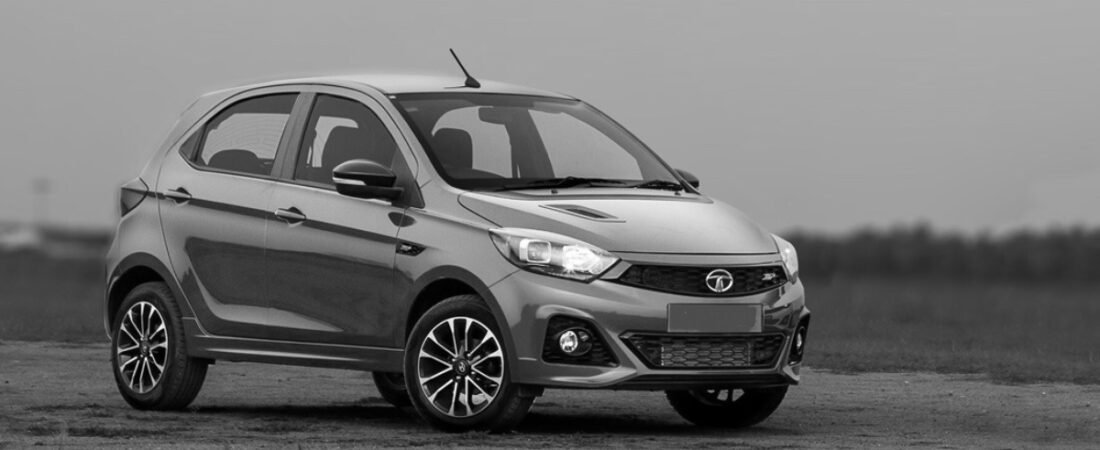
Recognising this evolving mindset among Indian consumers, Tata Motors has introduced blue not as an afterthought but as a meaningful part of its design language. Across its portfolio, shades such as Tornado Blue, Ocean Blue and Arizona Blue offer drivers an opportunity to align their vehicle with their personality. The Tata Tiago presents multiple interpretations of blue, ranging from energetic to composed. The Tata Tigor’s Arizona Blue exudes depth and maturity, while the Tata Punch’s Tornado Blue paired with a white roof introduces a youthful yet balanced contrast.
These are not merely colour options. They are expressions of individuality within a practical framework.
As India’s consumers grow more self-aware and aspirational, choices across lifestyle categories increasingly reflect personal narratives. From the homes, people ,design to the technology they use, identity has become central to decision-making. Mobility, too, is gradually becoming part of this expression. Moving beyond black and white no longer implies extravagance — it suggests intentionality.
At SAB, our endeavour has always been to go beyond presenting vehicles as products. Through our platform, we aim to highlight how automotive choices can reflect evolving lifestyles and mindsets. Showcasing distinctive shades such as these Tata blues is part of encouraging customers to see their vehicle not merely as transport, but as an extension of who they are.
A blue car does not announce itself loudly. It does not rely on convention for validation. Instead, it quietly communicates depth, distinction and confidence. In doing so, it reflects a driver who is comfortable choosing differently — not for attention, but for authenticity.
And sometimes, that is the most powerful statement one can make on the road.