
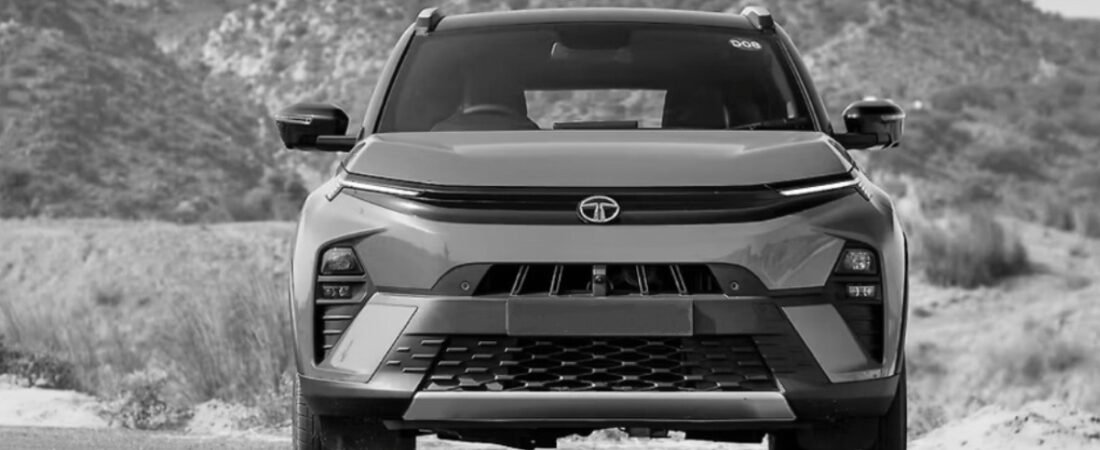
There was a time when buying a car in India was a straightforward decision. Buyers would compare fuel efficiency figures, look at maintenance costs, assess passenger space, and make a choice between petrol and diesel. Today, however, the conversation has evolved. With fuel prices remaining a concern and technology transforming the automotive industry, Indian consumers are increasingly looking at electric vehicles as a practical alternative rather than an experimental one. In this changing landscape, the Tata Nexon EV has emerged as one of the strongest examples of how electric mobility can fit into everyday Indian life.
What makes the Nexon EV particularly interesting is that it does not ask Indian buyers to dramatically change their expectations from a vehicle. Instead, it takes the familiar formula of a compact SUV—a body style that has become immensely popular across the country—and combines it with an electric powertrain designed for modern mobility. The result is a vehicle that feels contemporary without being intimidating and innovative without being impractical.
The popularity of SUVs in India has grown steadily over the past decade. Buyers appreciate the commanding driving position, generous ground clearance, and road presence that SUVs provide. Tata Motors understood this shift in consumer preference and ensured that the Nexon EV retained the qualities that made the Nexon name successful in the first place. Whether navigating crowded urban streets, tackling pothole-ridden roads during the monsoon season, or embarking on a weekend drive beyond city limits, the vehicle offers the versatility that Indian motorists have come to expect from a modern SUV.
One of the most compelling reasons behind the growing appeal of the Nexon EV is the economics of ownership. Indian consumers are among the most value-conscious car buyers in the world. A vehicle is rarely viewed as a short-term purchase; it is often considered a long-term investment. While the initial cost of an electric vehicle may attract attention, many buyers are increasingly evaluating what happens after the purchase. This is where the Nexon EV presents a persuasive argument. Charging an electric vehicle generally costs significantly less than repeatedly filling a fuel tank, particularly for drivers who commute regularly. Over months and years of ownership, these savings can become substantial, making the transition to electric mobility financially sensible for many households.
The Tata Nexon EV also benefits from arriving at a time when India’s charging infrastructure is becoming increasingly accessible. A few years ago, concerns regarding charging availability dominated conversations surrounding electric vehicles. Today, the situation is markedly different. Charging stations are appearing in urban centres, commercial complexes, office districts, residential communities, and along several major highways. While the charging network continues to evolve, the progress made in recent years has helped many potential buyers view EV ownership with greater confidence.
Another factor contributing to the Nexon EV’s appeal is Tata Motors’ position within India’s automotive ecosystem. For generations of Indian consumers, Tata has represented reliability, durability, and a deep understanding of local driving conditions. The company’s commitment to electric mobility has not been limited to launching products; it has involved building a broader ecosystem that supports EV ownership. This commitment has helped establish trust among consumers who may be considering an electric vehicle for the first time.
Technology is another area where the Nexon EV aligns with the expectations of modern Indian buyers. Today’s consumers are accustomed to connected devices, digital experiences, and smart interfaces. They expect their vehicles to be an extension of that lifestyle. The Nexon EV incorporates features that make driving feel contemporary and engaging, while still maintaining the practicality required for everyday use. From connectivity functions to modern infotainment systems and driver-focused digital displays, the vehicle reflects the growing convergence of automotive engineering and digital technology.
Safety, too, has become a defining consideration for Indian families. Car buyers today are more informed than ever before, actively researching crash test ratings, structural integrity, and advanced safety features before making purchasing decisions. The Nexon name has earned a reputation for safety over the years, and this perception has contributed significantly to consumer confidence. For families evaluating a transition to electric mobility, knowing that safety remains a priority can make the decision considerably easier.
Perhaps the strongest argument in favour of the Tata Nexon EV is that it feels designed for the realities of India rather than for an idealised future. It addresses concerns about running costs, embraces the country’s growing interest in sustainable mobility, and delivers the practicality that Indian buyers demand from their vehicles. Rather than positioning itself as a niche product for early adopters, it presents itself as a mainstream SUV that happens to be electric.
As India’s automotive market continues its gradual shift toward electrification, vehicles like the Tata Nexon EV demonstrate that the future of mobility does not have to be distant or complicated. It can be familiar, practical, and accessible. For many Indian buyers, that combination may be precisely what makes the Nexon EV such a compelling choice today. The vehicle represents not just a technological transition, but a natural evolution in how Indians think about personal mobility—an evolution that SAB Motors has helped bring into the mainstream.